Palestinian Americans Waive Goodbye to Airport Pat-Downs?

Freedom of movement’ isn’t a common term in the Israeli phrasebook, so why was a trip through Tel Aviv airport so easy this year? Unsurprisingly, reader, it’s political.

Coming through Ben Gurion airport outside Tel Aviv there was a split second where I thought maybe this trip to Palestine would be different. The staff of the airport welcomed us as they would in any airport in Europe. Not quite with a smile, but with all the warmth of a 16 year old in their first summer job in H&M. We queued as we would in Dublin or Brussels-Zaventum airport and, surprisingly, we passed through security without the customs officers even glancing at my Irish passport. The same passport that had been stamped with a ‘high-risk’ tag this time last year. The same customs officers who are infamous for pulling hundreds aside every day based on skin colour, religion, political affiliation or simply having an strange name. It wasn’t too long ago that my own boss had to call off an official Parliamentary Mission to the West Bank and Gaza because of heavy-handed Israeli security.

For my partner Myrthe, it was her first time in the region and I felt a little guilty for having previously talked up the security in Tel Aviv and the quite defensive nature of Israelis whenever you mention the West Bank, the Occupied Territories or any other trigger words of where you plan to travel in the region. Travelling to Israel was, dare I say… easy?
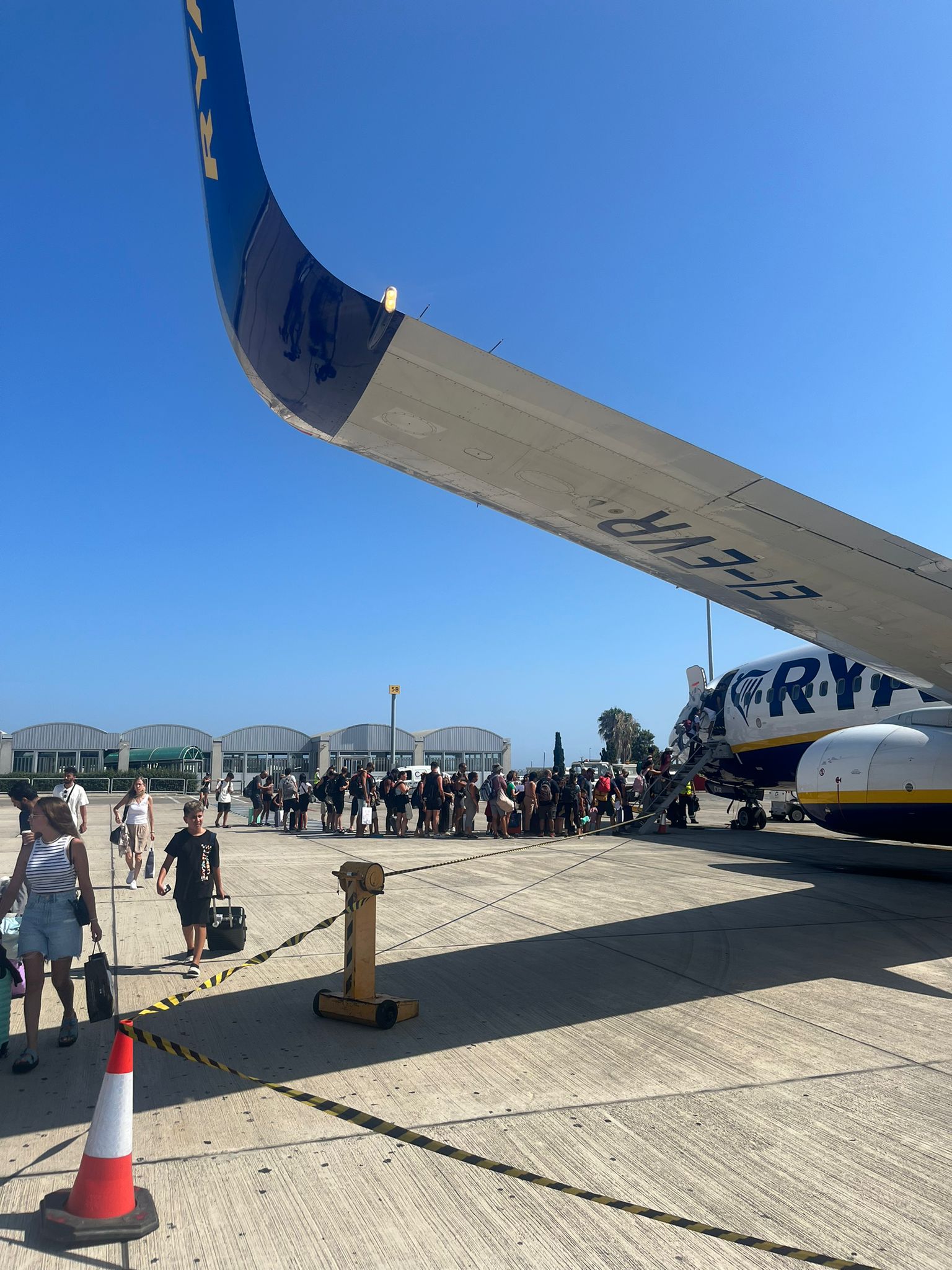
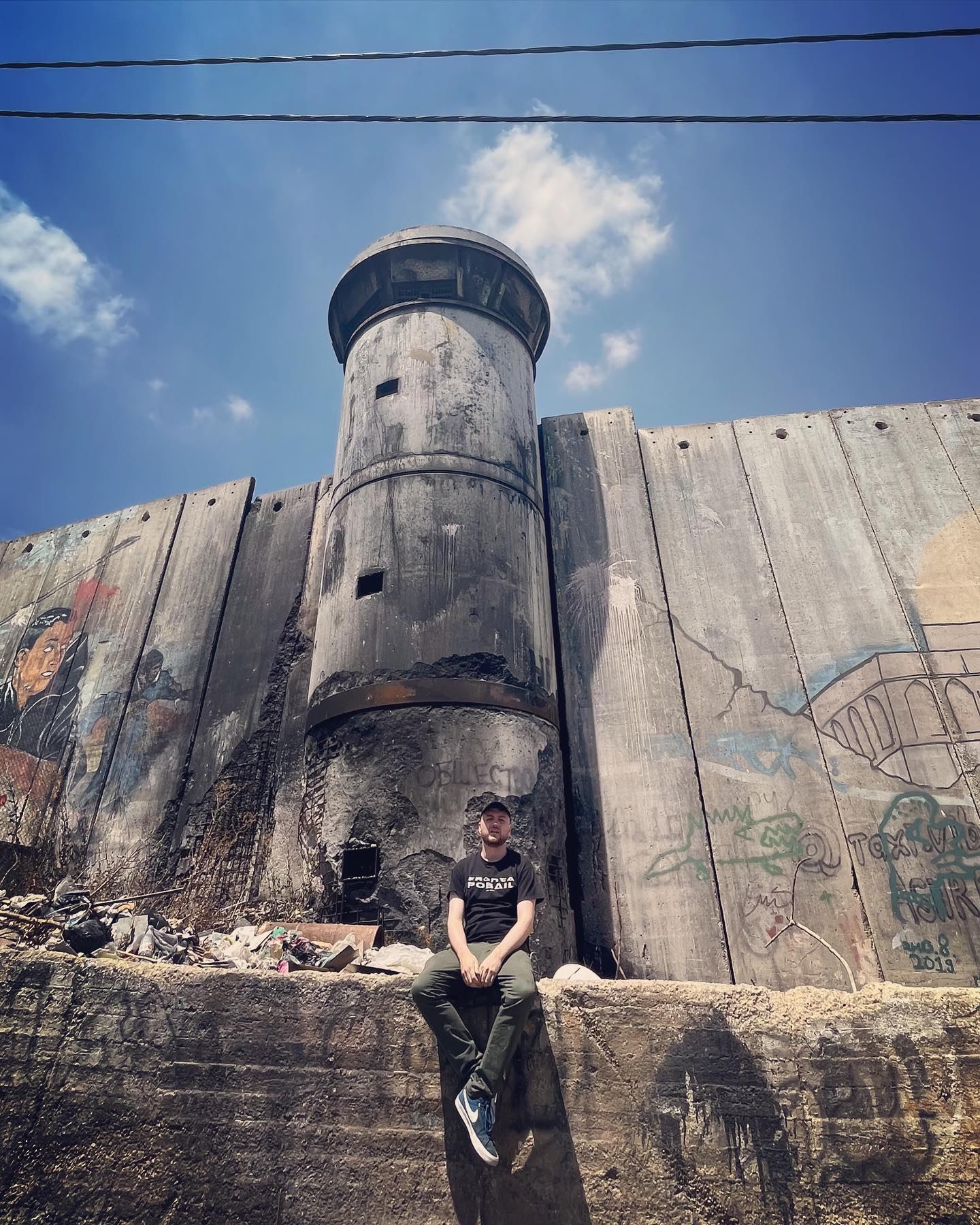
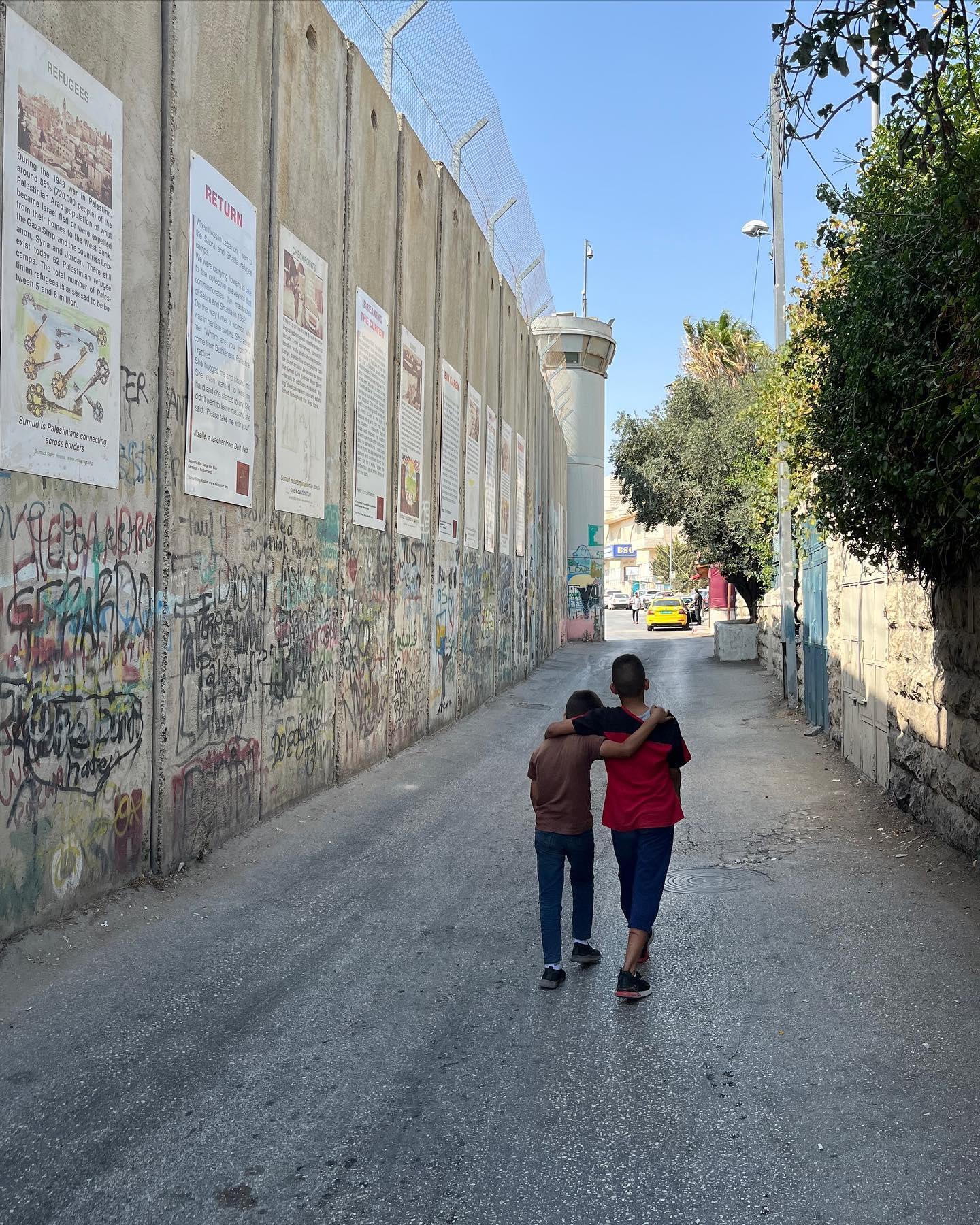
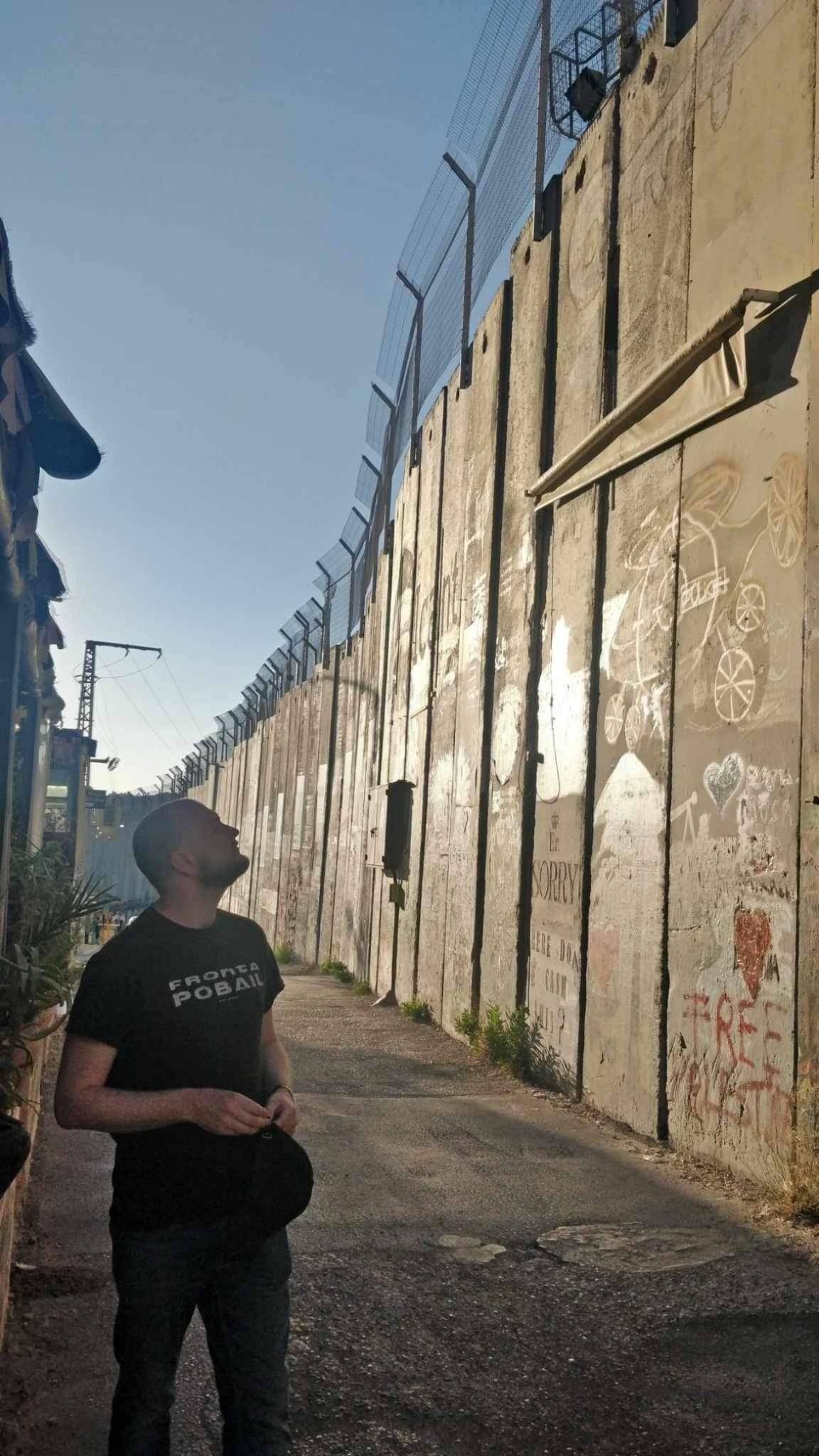
Any illusions of easing paranoia at Israel’s main airport however would quickly be dispersed after a few days on the other side of the so-called ‘Separation Barrier’ – the 8 metre wall Israel’s government had built to lock in three million Palestinians following the Second Intifada.

After all, this was Ben Gurion airport and its history of conflict and high security had bled into its foundations since the 1940s. Just a kilometre from here stood the Palestinian village of Al-Safiriyya before 1948, when Prime Minister Ben Gurion himself ordered its destruction in order to remove any reason for refugees to return to their homes. Another click south of the airport in the city of Lod (once Lydda), the man who would go on to be the fifth Prime Minister of Israel Yitzhak Rabin had signed the order to forcibly expel 50,000 Palestinians from the city in what is now known as the Lydda Death March. It is hard to find a place in Israel that doesn’t harbour the ghosts of 1948, though many governments have tried their best to conceal them.

A few days after our arrival, our benign (no, banal!) treatment in the airport all made sense. In the West Bank town of Bethlehem, I had a conversation with Palestinian Americans and it became apparent why Israeli security seemed different. This year Israel is trying to access the USA’s Visa Waiver Programme, to allow Israeli tourists to travel visa-free to the States. The problem there is that this would require Israel to allow Americans and American Palestinians to travel to and from Israel just as freely. For years the US has denied Israel access to this programme on the basis that Tel Aviv discriminates against around 200,000 Palestinians with American passports.

Most Palestinians are essentially blocked from using Israel’s airports though Israel generously offered West Bank residents the use of a separate airport in the south of the country in recent months (Gazans need not apply). Most make the chaotic journey through Israeli and Jordanian military checkpoints to Amman airport to travel abroad. Those with the necessary permits or IDs to travel through Tel Aviv airport normally have to undergo racial profiling, long hours of intimidating questioning and humiliating body searches. Often just an Arab surname is enough to get you this special treatment. If you let slip that you work for an NGO, human rights organisation or even come into contact with Palestinians, you can often expect similar.

These few months however the Americans have apparently placed observers in Tel Aviv airport to report on potential discrimination against Arab travellers in order to make a decision on Israel’s access to the programme. In the knowledge that they are being watched by their American big brother, it seems that the customs officers have found room for a little more decency when it comes to Palestinians and other foreign visitors coming through the airport.

The question remains for most Palestinians who stand to benefit from this newfound ‘freedom of movement’: once the State of Israel and its far-right government get what they want from the Americans, will the journey through Ben Gurion airport remain so easy?

If you think that question is loaded, just ask a Palestinian.
On solutions and Solutions

Our Arabic teacher, when asked how his day was, replied; ‘Terrible. Yesterday, they shot children.’

Many of the foreigners you meet on your travels in the West Bank will share the same experience they had when planning their journey through the Holy Land. Their parents and friends acted surprised when they brought it up, most of them having seen something in the news lately about violence. In most European countries the Palestinians are shown as terrorists, while Israeli soldiers share the same imagery and uniforms as European and American armies. Words like ‘attacks’ accompany reports where Palestinian death tolls outnumber Israelis by ten to one. Words like ‘apartheid’ are almost never heard. Very few foreigners will have witnessed an attack. But after a short trip, every single visitor will have witnessed apartheid.

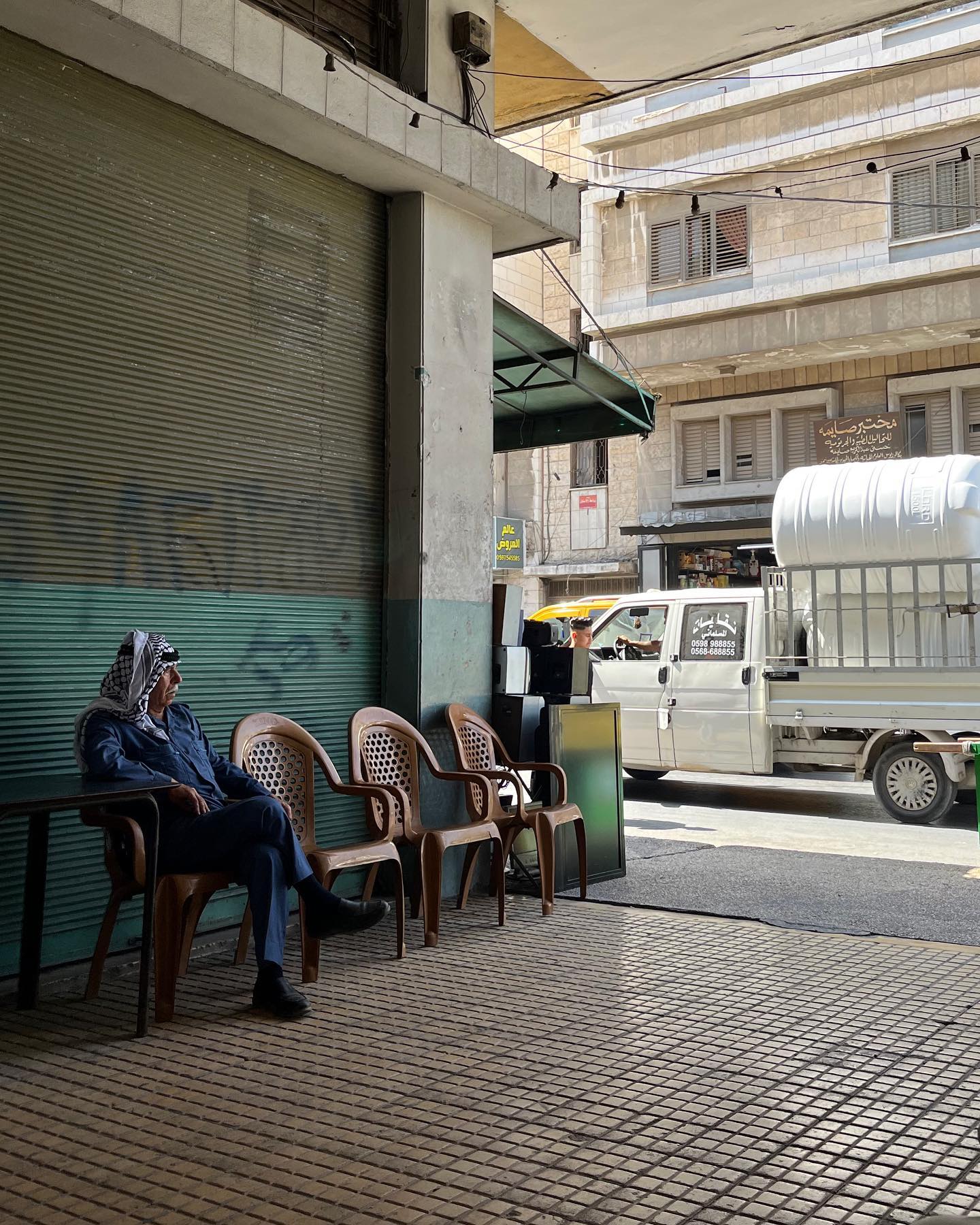
The truth is that when in Palestine, you spend most of the time drinking strong coffee, smoking sweet shisha and eating honey-soaked knafeh with bright, optimistic and often tired people.

It is such a beautiful place to live and visit, I felt guilty for thinking and talking about nothing but the occupation. Yet its presence was there like the passing shadow of day. More reliable than a clock.

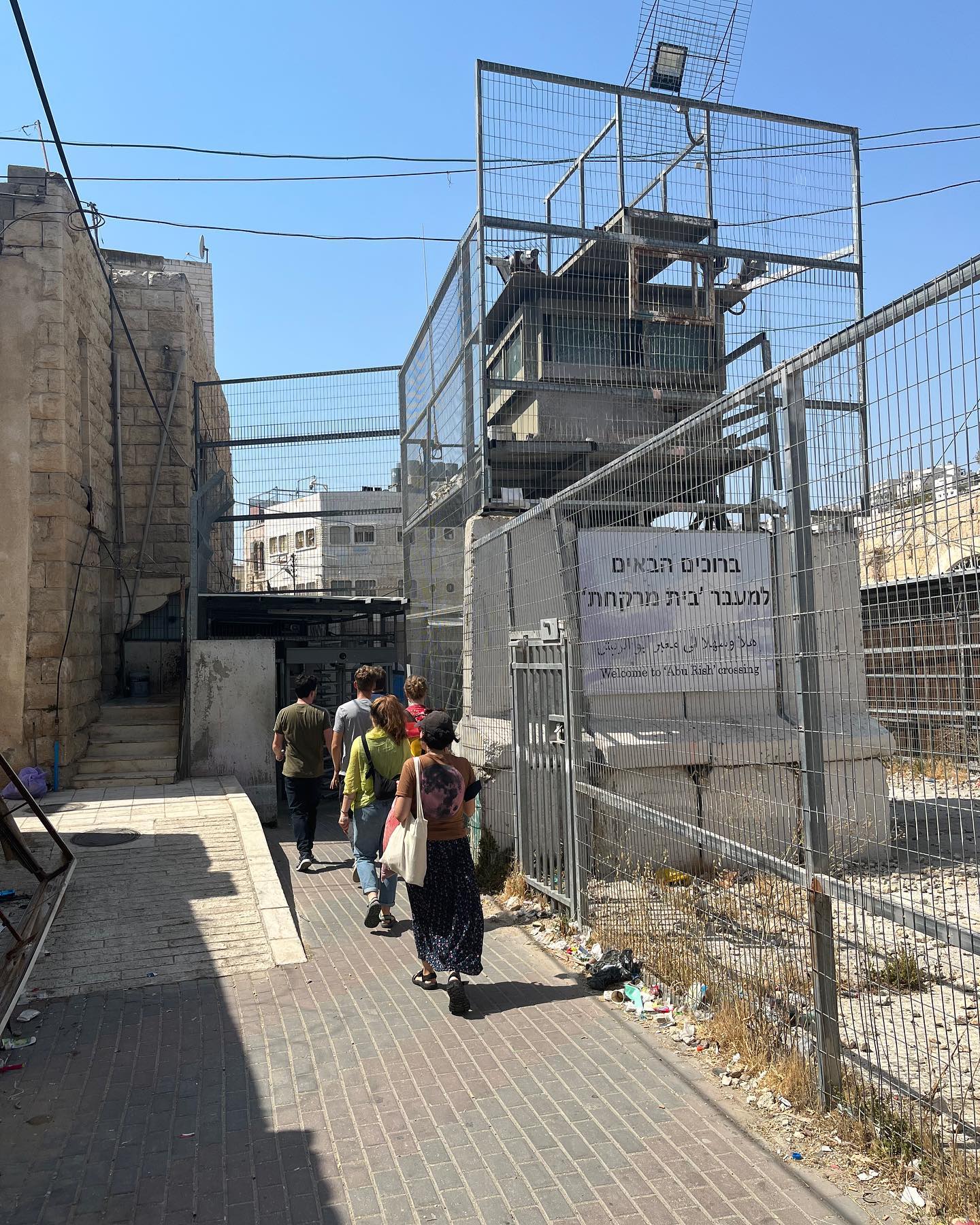
As a tourist you get just a taste of the thousand everyday indignations of life in the West Bank. Locked turnstiles to the mosque, roads cut off, flagpoles that reach out and claim old soil from those who work it.

In the streets of Hebron, a city divided by the Israeli authorities into areas where Palestinians can and cannot walk, we were unlucky. Turning a corner in the old city we chanced upon an Israeli military raid on a residential area. The Israeli commandos in full night gear and armed to the teeth seemed as surprised to see us as we were to see them. They trained their weapons on us and yelled at us in Hebrew with our hands raised. In a surreal moment, a Palestinian man walked beside us with a bag of shopping. “It’s ok!” he said to us as he carried on seemingly oblivious (or well used to) the team of Israeli soldiers which had stopped us in our tracks. Within seconds, the soldiers disappeared, their mission either accomplished or interrupted by these ignorant tourists.

Around the corner, American-manufactured tear gas was unleashed on children with slingshots. Israeli settlers, armed with US-manufactured weapons but without uniforms, watched the proceedings like a football match. There was no mistaking who they were cheering on.

Unlike in Europe, people I met in Palestine tended not to talk of Two State Solutions or international agreements unless forced to. Their demand was often more modest: Justice, just enough to get through the day.

Our Arabic teacher, when asked how his day was going, replied ‘terrible.’

‘They have not left us enough to build our State. Yesterday, they shot children.’

How many of his days had been ruined like this?

Italy at Election Time: Witnessing a Country of Contradictions

Title

I’m  beginning to think these elections were used to vent anger about Italy not making it into World Cup 2018

It was an odd feeling that followed the results of the Italian elections this year from my own perspective as a semi-invested foreigner living here. There was an atmosphere that lingered around the city as if something had just happened that everyone would rather forget. There was an elephant in the piazza if you like.

The traditional party of the Emilia Romagna region, the Partito Democratico, had been  humiliated with its worst result ever. The centre-left coalition, of which the PD was the major constituent, had lost its slight majority and just barely achieved over 20% of the vote. The Movimento 5 Stelle had won – and yet with less than a third of the vote and no coalition partners, it hadn’t. The right-wing coalition had won in terms of vote share with Salvini’s anti-immigration party La Lega becoming the biggest party in a coalition normally under Berlusconi’s control. And yet, they hadn’t won either.

In the eyes of most of my friends and others, Salvini was a dangerous and negative force in Italian politics, who represented the Italian wing of the growing nativist nationalism that was spreading across Europe. But because of the electoral outcome where no government has yet been formed, this was no Trump moment, no one seemed stupefied or taken aback by the electoral victory of an “Italians First” ideology. Many were angry, some bewildered by little curiosities like the fact that so many people in the south had voted for a candidate who once said that northern Italians had “nothing in common” with them, leader of a party who used to refer to southerners as “parasites” and “layabouts” in public rallies.

Matteo Renzi and the PD’s imminent demise didn’t come as a huge shock to anyone except for foreign media it seems. And foreign media coverage, or at least English language media coverage, I found quite lazy and ignorant. The Guardian’s analysis exemplified that, calling La Lega a ‘new populist party’ despite being arguably the oldest party in the Italian parliament, indicating parliamentary euroscepticism was a new phenomenon in Italian politics, and calling the small social democratic political coalition Free and Equal an alliance of the “radical left”. Others were happy to commit the same reporting errors made during the Brexit campaign by blaming the PD’s downfall entirely on immigration, ignoring a plethora of other important factors, and neglecting to mention most of the PD’s lost votes went to the Movimento 5 Stelle and not any of the hard-right parties. That said, almost every major party has called for tighter immigration controls and increased deportations. To many on the ground the disillusion of the PD’s former supporters seemed to come more from the PD’s continued transformation into a Matteo Renzi Party, its betrayal of left-wing values, and its exemplification of Italian politics-as-usual. Indeed for those further to the left the only positive to come out of this year’s elections was the resignation of Renzi himself (just this week there was a ‘PD Funeral Party’ held in the political science faculty here), although we will see how long his absence lasts.

For me the most surprising result was the increasing irrelevance of ‘Il Cavaliere’ Silvio Berlusconi. His name was plastered across all the election posters for the right-wing coalition despite a ban on holding public office, and yet after the results showed Salvini’s Lega outperforming Silvio’s Forza Italia, for the first time in memory I was reading analyses of the elections without barely a mention of the man who had dominated politics since the birth of the “Second Republic” in the 1990s, not to mention foreign headlines on Italian politics.

Here in Bologna, the run-up to election was a period of relative calm. In this huge university town, at the centre of what remains of Italy’s ‘Red Zone’ with numerous left wing organisations, political groups and agitators, it came as a surprise to see Salvini visiting the city unopposed. Just two years ago Salvini did the same and parts of the city erupted, with clashes just down the road from me on Stalingrad Bridge. This time there were over 200 riot police in the town but not a single protest. Perhaps this is because La Lega is no longer the boogeyman of right-wing politics, indeed being the biggest force in right-wing politics they are now the mainstream. Something much more malicious has taken its place as the left’s most hated enemy – unapologetic neofascist movements such as Casapound and Forza Nuova, which did attract some trouble when they attempted to hold a rally in the city centre.

Bologna towers

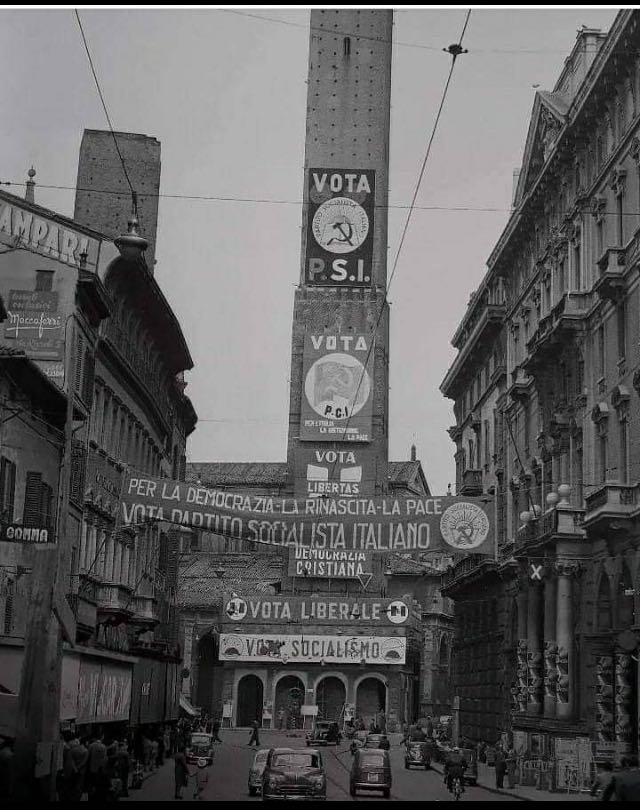
These days you’re more likely to see banners reading “Italy First” than a hammer and sickle

With no realistic left wing  capable of tackling La Lega’s rise in a country which saw the most powerful Communist Party this side of the Iron Curtain, and Movimento 5 Stelle putting forward the only alternative, a party which seems to be against a lot of policies but in favour of very few,  it’s hardly surprising that the strongest sentiment I have sensed before and after the elections is one of apathy or even despair. Friends and colleagues weren’t too enthusiastic about travelling home to vote in their constituencies for lack of good candidates, when asked who to vote for I would get a shrug more often than an answer, people including myself were confused about how to vote due to new voting rules which guarantee a mixed proportional and majoritarian system for two chambers which share the exact same powers, and those who were enthusiastic about a specific political party were largely voting for candidates who didn’t have a chance of reaching the threshold required to make it into parliament like the pro-European liberal ‘More Europe’ group or the far-left Power to the People.

From here who knows where it will end, but with the likes of Salvini or the Movimento 5 Stelle in the driving seat, it doesn’t look good, especially if you’ve just arrived from an inflatable raft in the Mediterranean. Unlike me, I can just grab a Ryanair flight home to a country where politics makes sense… ha.

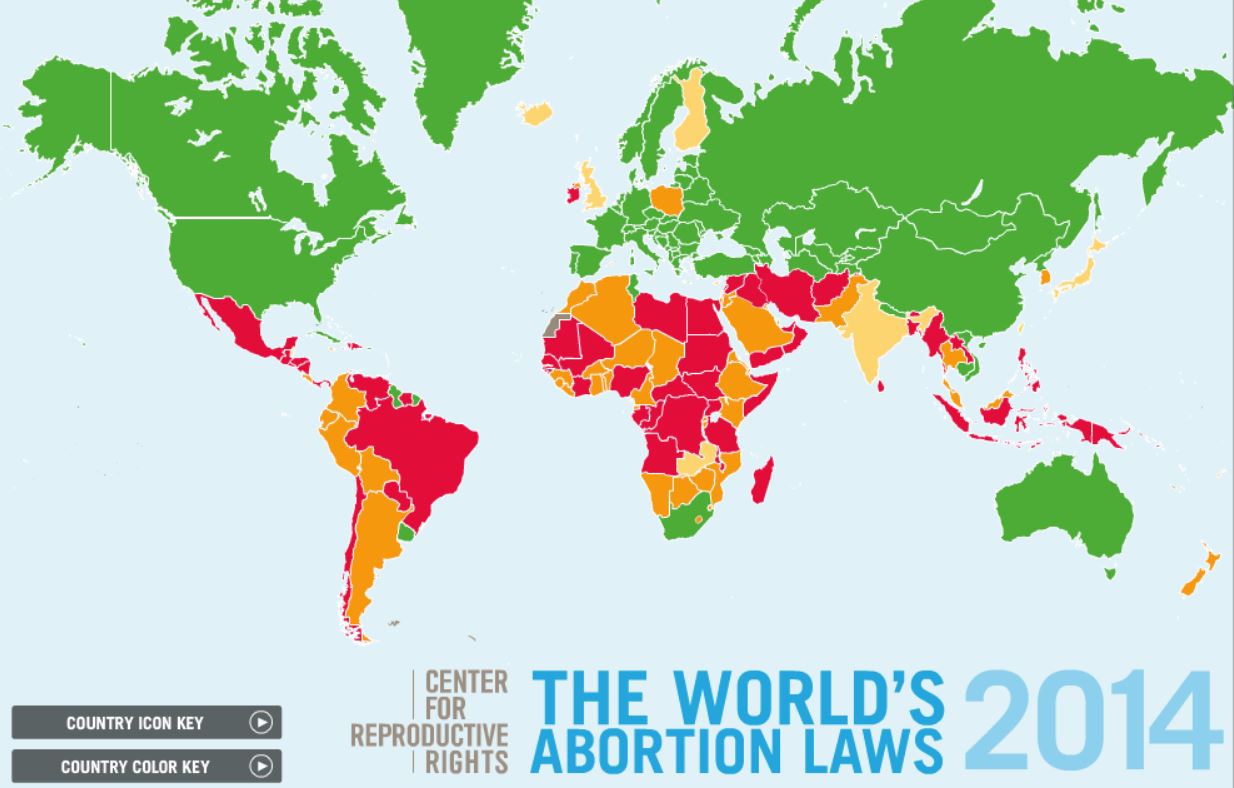
Ireland abortion laws

A gentle reminder. Hopefully I will be flying home this May to change a corner of this map from red to, well, orange, maybe.


My Place… Bologna (The Irish Times, 2 Dec 2017)

I wrote this piece for The Irish Times regular space for Irish readers abroad to present their current home to newcomers. It was published in print for the weekend Irish Times on the 2nd December 2017, and is accessible on the Irish Times page online here.

For space it was edited down a little so I have reproduced the online article in full here.


22429305_10159432877860123_1873756782_o (2).png

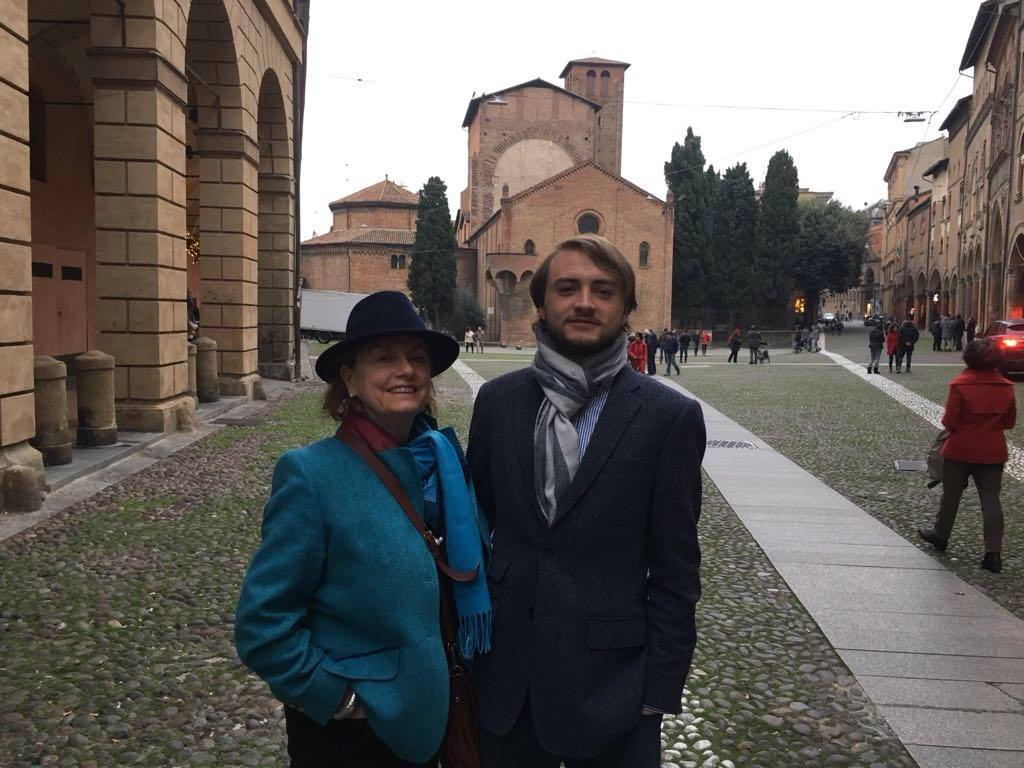
‘Ma and Me’ in Piazza Santo Stefano

Where is the first place you always bring people when they visit Bologna?

Piazza Maggiore and the Two Towers. The biggest tourist attractions in Bologna introduce the city quite well. The main church on Piazza Maggiore is beautiful but half finished, while the Two Towers that symbolise the city are striking but look ready to topple at any moment. Here you realise that Bologna is not competing with the likes of Rome for sightseeing. It’s much better than that, filled with a young and vibrant population, Bologna is a living and breathing city that hasn’t succumbed to that museum feeling of Florence or Venice. You don’t come here for selfies, you come here to eat.

The top three things to do there that don’t cost money are…

Picnic in the Giardini Margherita – On a sunny day in Bologna’s main park you will often happen across groups of jugglers and tightrope walkers practising their routines by the banks of the artificial lake that is now home to a few terrapin families.

Làbas – one of Italy’s many anarchic co-operative movements, Làbas organises political meetings and housing for the homeless, but also hosts organic markets and free concerts every Wednesday. [Note: Labàs’ original home has since been closed by the police, but they are in the process of re-establishing themselves with the help of the locals and even the local council]

Enjoy an espresso under Bologna’s colonnades. Most of the footpaths in Bologna’s centro storico are covered with red and orange colonnades which provide cover come rain or shine – an idea I wish I could introduce to Ireland. Ok, you have to pay for the coffee, but you’re really here to watch the locals go about their day, and the excellent coffee will cost you little more than €1.

Where do you recommend for a great meal that gives a sense of Bologna?

Trattoria Leonida. I don’t think I’ve seen this one in the guide books, but I have brought all of my guests here following my first visit. They serve the best Lasagne alla Bolognese I have ever had, made with about 10 subtle layers of fresh spinach pasta. The playful staff keeps me coming back too.

Where is the best place to get a sense of Bologna’s place in history?

The Archiginnasio. Founded in 1088, the University of Bologna is the oldest university in the world in continuous use. The beautiful Archiginnasio building used to be the centre of this world of knowledge which then provided the blueprints for our very concept of Western education.

What should visitors save room in their suitcase for after a visit to Bologna?

Pignoletto sparkling wine. Bologna’s sparkling wine doesn’t seem to have made it big outside of the Emilia-Romagna region never mind abroad, but in my opinion it outshines Prosecco by a long shot, and will rarely cost you more than a few Euros a bottle.

One year down, how many to go?

Leaving my adopted home in June after a month of post-exams holidays , I was glad that I had chosen a two-year Master’s degree. Sure, the student life is an easy one, but it was more than just that. I had made so many new friends and acquaintances, I had learned so much, and my Italian had improved ten-fold (although my housemates may disagree, sick of my making them repeat everything twice). I was glad to have the opportunity to broaden that experience, now that Bologna had become my second home I was ready to move on from being a tourist in her midst. And in June she is such a beautiful place to call home.

Bologna transforms into another creature in summer. In April she sheds her spring coat as the poplars of hidden courtyards release pollen into the air in a snowstorm of little fluffballs, as impossible to catch in your hands as their unexpected beauty is to put into words. In May comes blooming jasmine with its unusual smell of both oncoming summers and Chinese food, as the heat creeps up on you threateningly in a house without the luxury of air conditioning.

IMG_9503.JPG

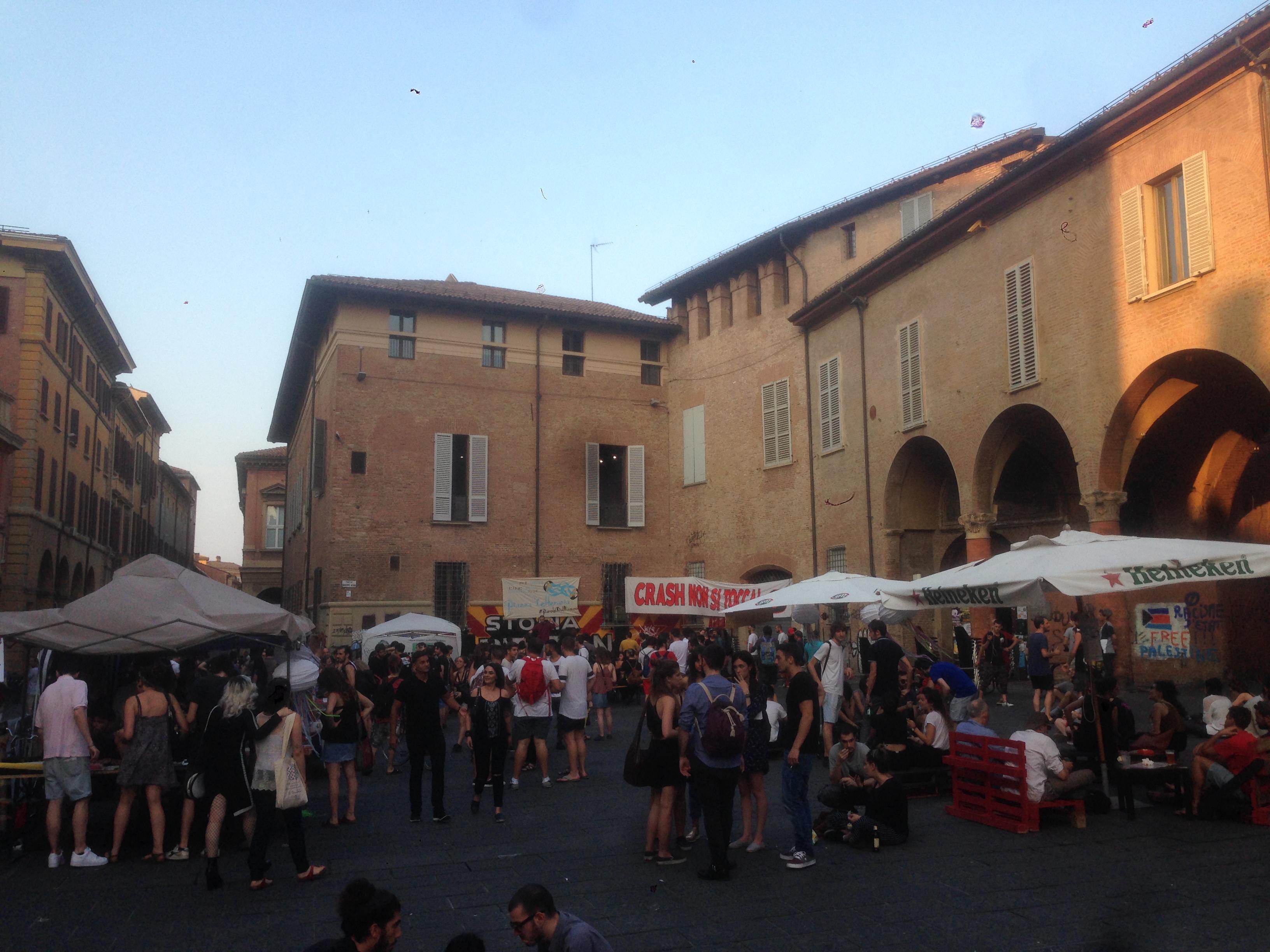
Piazza Verdi, the centre of Bolo’s extracurricular activities

Every piazza turns into an outdoor cinema, every inch of park a music festival or marketplace, an ecological festival, a political festival, and no where are any of them effectively advertised, so each festival comes as a surprise. Those who have lived in Bologna before become indispensable fonts of local knowledge. Outdoor music at the Cavaticcio, cinema in Piazza Maggiore, the usual concerts in Làbas make the city in June a cultural gem. One day after falling asleep in the park, I woke up to find myself in the middle of an impromptu circus, as Bologna’s amateur clowns and acrobats constructed a tightrope circle all around me. A friend warned me I would never be seen again and for thirty seconds I fantasied about dropping all this International Relations nonsense for life as a travelling clown. Not a million miles away from a political career I supposed.

June was for falling in love with Bologna all over again. My arrival in September, the onset of winter in November, and now June were exhibitions of three different cities all in the same packaging of porticoes and vermilion architecture.

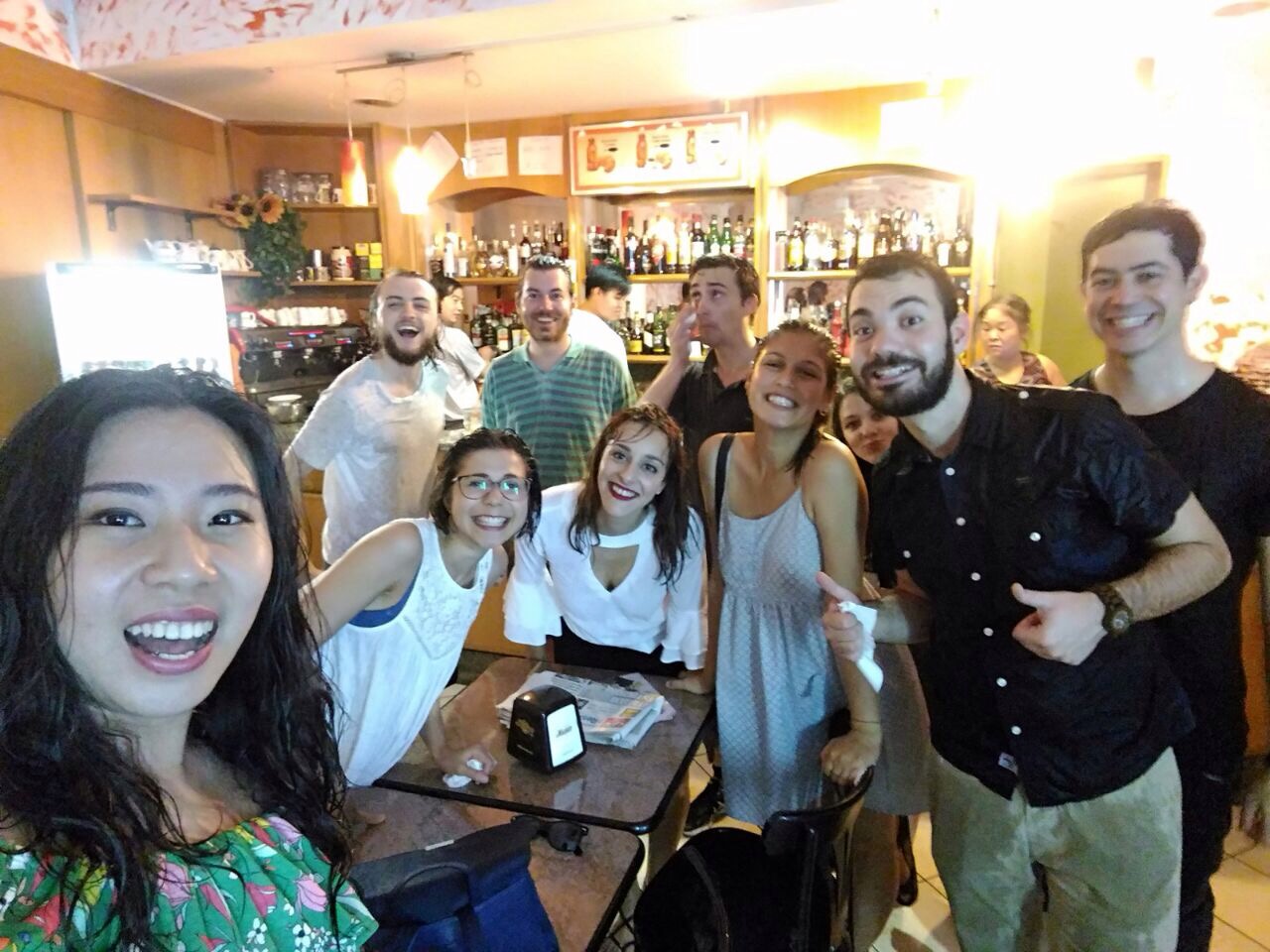
The exams this time around had a familiarity to them (especially considering I had to resit one of them), but I was determined not to give in to the flexibility of the Italian examination system which lets you sit exams in whatever month you like. I had resolved to get all my exams done and dusted by June to give me time to take in Bologna’s summer before I fled the heat of July and August. And some heat it was, after weeks in the mid 30s and final acceptance that there was no escape from constant sweatiness, us northern Europeans danced through a rare monsoon rain one night laughing like demented idiots as the rest of our group ran from shade to shelter.

IMG_9498.JPG

Midnight at the oasis

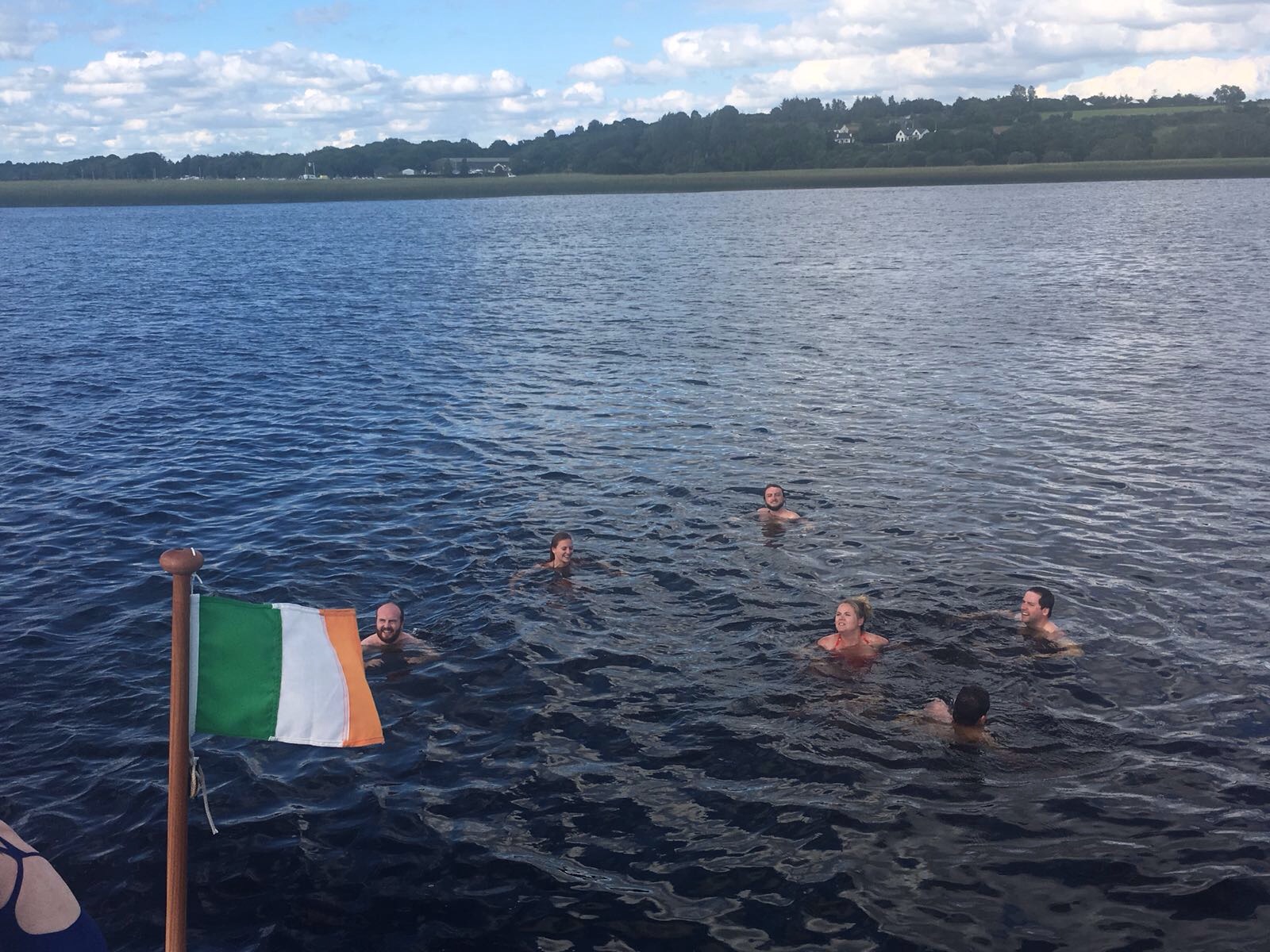
A clawing feeling of FOMO had me worried two months in Dublin would be too long, especially as all of my beautiful Italy-based friends were spending their holidays at equally beautiful Italian seaside towns, some travelling the Balkans while others took in the Mediterranean sun on further shores. I needn’t have worried, it’s now mid-August and I have barely stood still while the clock keeps ticking towards another academic year. Weeks on the boat on the Shannon in rain and shine as well as countless nights in cosy snugs in old Dublin pubs have kept me more than busy. Lock-ins in the country and music sessions in the closest of friends’ houses are making the idea of leaving for another year as difficult as possible, never mind the prospect of the upcoming Fleadh Cheoil down in Ennis.

IMG_9698.JPG

Not quite Amalfi, but it’s family and it’s home.

In the end there’s just no comparing life between countries as different as Ireland and Italy, even if you’re reminded of their uncanny similarities on a weekly basis. I complain as much about Italy’s bureaucratic holdups as much as I sing paeans to its unrivalled food culture (I’m twitching for lack of good coffee). Likewise I despair about Ireland’s political culture as much as I cherish its sick sense of humour over creamy pints.

This month, news from Bologna started to creep back into my peripheral vision, that our favourite Wednesday stomping ground was shut down by riot police. Làbas is a kind of left-wing commune, established five years ago by activists in an abandoned military barracks, and they had transformed it into a centre providing a homeless shelter, language lessons for migrants, organic markets and midweek concerts. As I began to get sucked back into the current affairs of my adopted hometown, emails came through from the University, and the reality of classes and thesis research returned to relevance. It was time to get back into battle.

Get the Boat to Vote #2?

I recently received an email from The Irish Times asking for the opinion of Irish abroad on the recent result of the Citizen’s Assembly on the issue of abortion and the status of the unborn in the Irish Constitution. I thought I might also put my thoughts on paper here. 


Should the current government cease kicking the 8th Amendment can down the road, I will most certainly fly home to vote.

Like many Irish people, I was moved in 2015 at seeing the #TakeTheBoatToVote crowd come home in their droves to vote in a huge majority for gay marriage, and I hope to see similar for a referendum on abortion.

Living and studying in Italy, I often have to explain the issue of the 8th Amendment to friends and colleagues. People are unaware that a woman risks 14 years in prison for an illegal abortion, some students from the UK are unaware that their fellow citizens in Northern Ireland face even tougher penalties. It shocks my friends here who may live at the very epicentre of Roman Catholicism and yet are not subjected to the levels of undue influence that the Church enjoys at home. Abortion is still debated here and there is the continuing issue of objecting doctors (over which the UN Human Rights Committee recently expressed concern), however it is an issue which isn’t just exported to neighbouring countries as we do at home.

The Marriage Bar, and prohibitions on contraception and divorce are all things I am too young to have experienced, but which all form a backwards picture of my country that I feel reflects unfairly on the real citizens of Ireland and on their ambitious visions for the island. It upsets and angers me, because I have always thought that the greatest aspect of our country is not our institutions or our laws, but rather despite them, it is the persistence of our people to overcome the mistakes of our past, to fly by those nets of nationality, language and religion.

I was opposed to the idea of the Citizen’s Assembly at its conception. We already have one, a quite expensive one at that, on Kildare Street. Their refusal to make a grown-up decision on this divisive issue is astounding. It is not as if we are the first country to debate the topic and come to a reasonable conclusion, in fact we are among the last in the western world. Nonetheless, the Assembly has been well informed by more experts than we might expect our representatives to consult in Buswells or the Dáil bar, and now their decision must go to referendum.

I expect the campaign to be difficult, divisive and emotive. While I felt most opposition to the issue of gay marriage came from religious groups and institutions, it would be unfair of us to say the pro-life campaign is motivated only by faith and scripture. The issue of abortion concerns our very concept of life itself, as well as our concept of the rights of women to bodily autonomy. It is an ethical, a moral, and indeed for some a religious issue.

Removing this issue from the rigid dogma of the constitution to the slow-moving but ultimately democratic channels of power in the Oireachtas is not the ultimate victory that progressives are looking for in Ireland, but it is most certainly a step in the right direction.

Bologna, Many Miles from Spancilhill

img_7816


The day I made my official application for the University of Bologna, I thought it would never stop raining in Dublin. On my daily commute to work, the bus would only leave me half way, and so I would have to walk the rest of the way to the office, come rain or shine. In Dublin, there is much more of the former.

The puddles had already breached the soles of my work shoes, and with a ten minute walk to work in the rain, I just had to accept that I would reach the office drenched and angry. In Dublin, an umbrella is of little use, the wind comes not from the East nor the West, but from above and below, swirling around you like a personal tornado, customised for your discomfort and gunning to turn your umbrella into a tangled mess of fabric and steel that eventually becomes more of a burden than a help.

That very day I went directly home and finished my application, determined to leave the rain behind. Choosing Bologna, a city where all of the footpaths are covered by porticoes so that the rain can’t get to you, I made the right decision. I left a country and a city I loved, a great job with wonderful people, but I haven’t looked back yet.

Returning to Ireland for Christmas reminded me of both why I left, but also why I will always return. The rain continued to fall and the same things bugged me about life in Ireland; its politics and inferiority complexes, its weather and its inhabitants’ ability to talk about it at length. But home is home, and as soon as I touched down I started down a dark path of eating and drinking and didn’t stop until I was hauled onto the plane at Dublin airport. Italian food is great, but after 3 months I could face another goddamn version of bread, tomato and cheese. And I’m sorry to all of my dear Italian friends, but all pasta is the same no matter what shape it comes in. I needed my ‘meat and two veg’, my meal ‘roashted out of it’ [cit.], my gravy, and my rashers. I also made sure to give three months worth of business to the local pub.

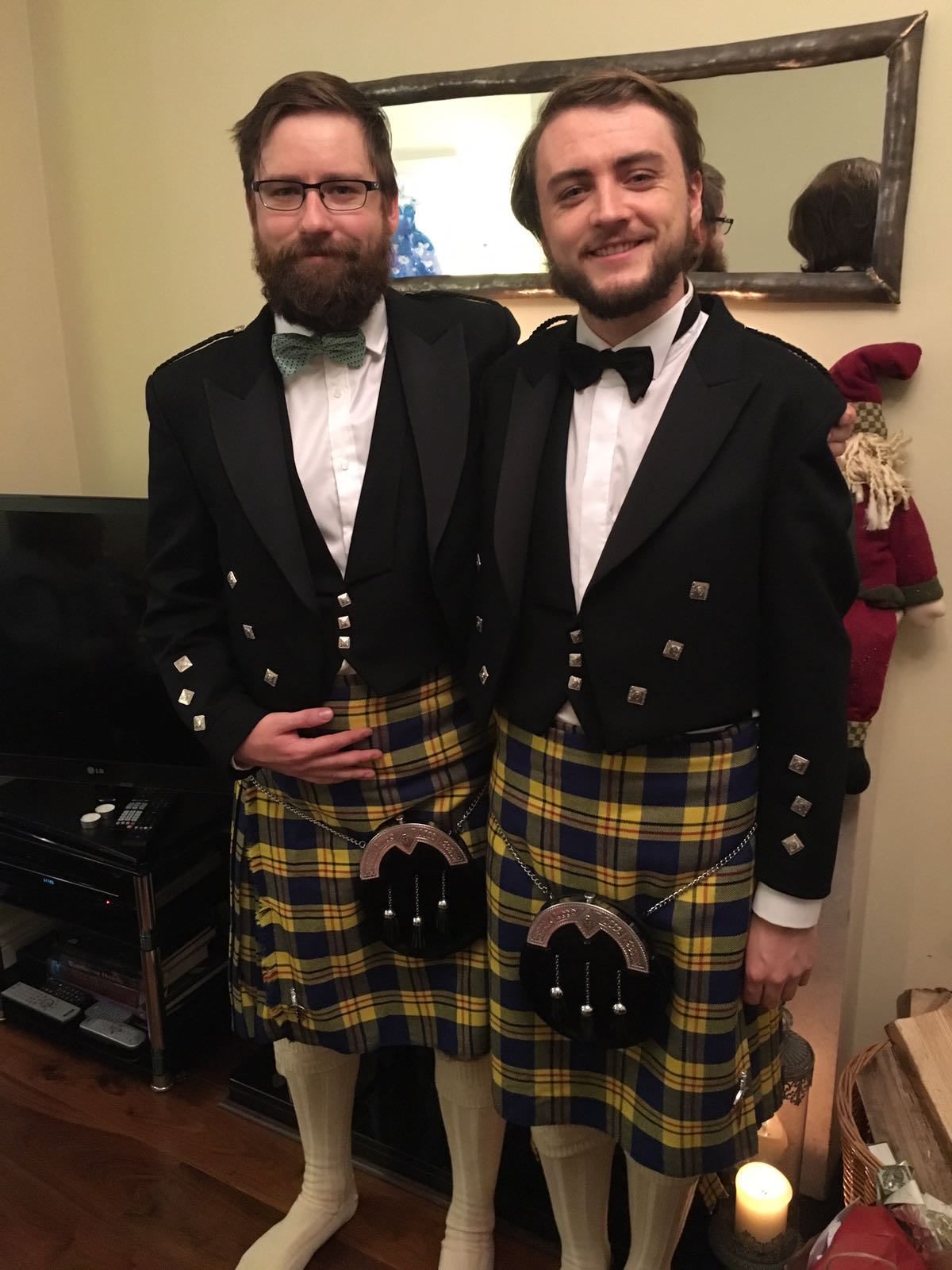
Christmas dinner was as good as ever, and the whole extended family gathered around an enormous turkey and a few bottles of port to celebrate together in style. Myself and Charlie put on our kilts which is fast becoming a tradition in our household, honouring our ancestors the Border Reiver Carlisles of Scotland, but mostly just looking for an opportunity to wear a pretty skirt.

img_7914

You don’t know freedom until you’re wearing a dress while hiding a knife in your sock

Maybe it’s island living, but months in a landlocked city see you wishing for the sea, for the battering of wind and rain against the window while you sleep. No one ever sleeps as soundly as I do when it’s warm inside and the wind tries its hardest to break through. At times in my bed in Clontarf you can even feel the distant vibration of the outgoing and incoming ferries and cargo ships, that constant activity of a city that hugs the ocean and the traffic that never stops travelling to other corners of the earth.

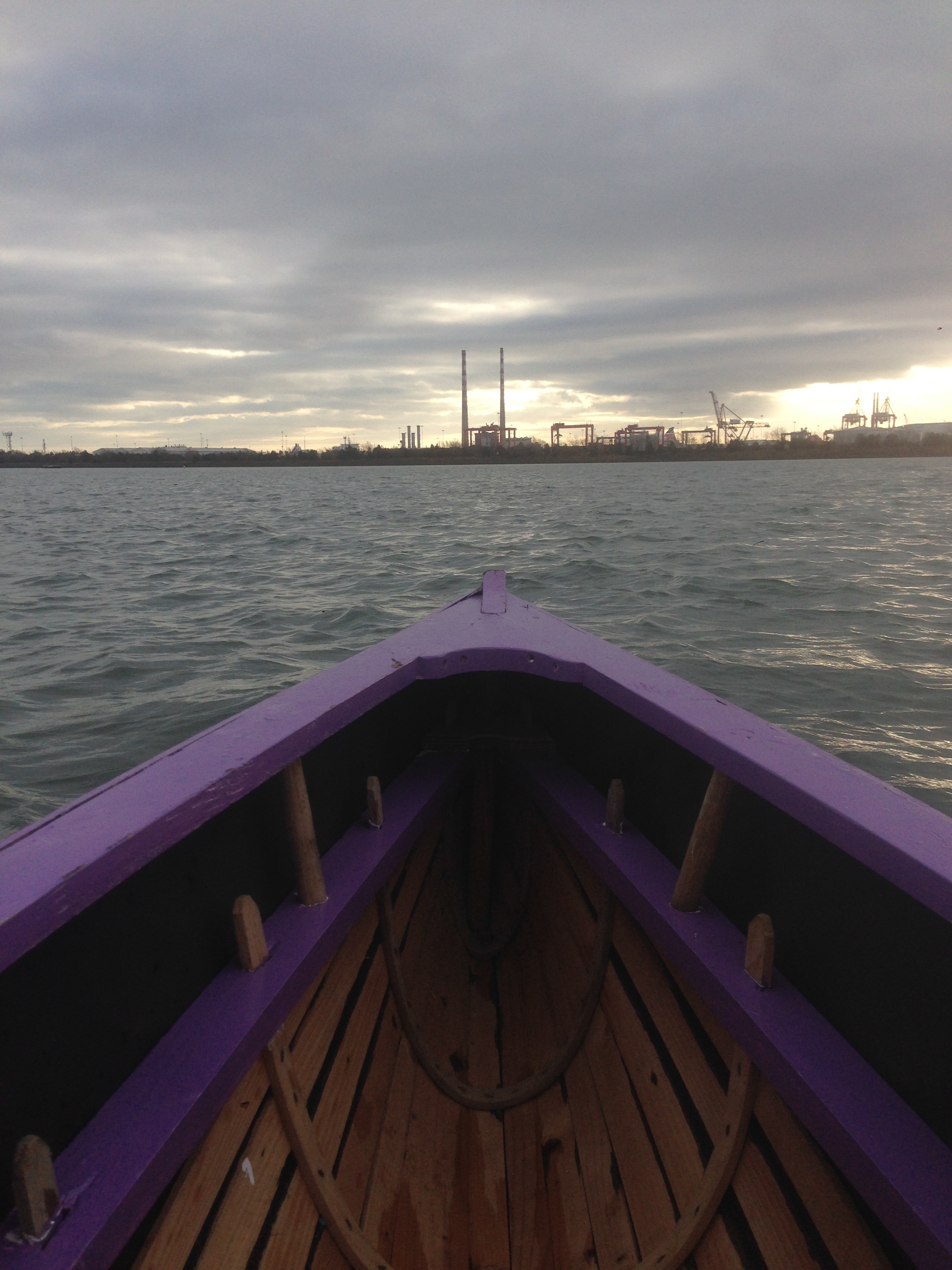
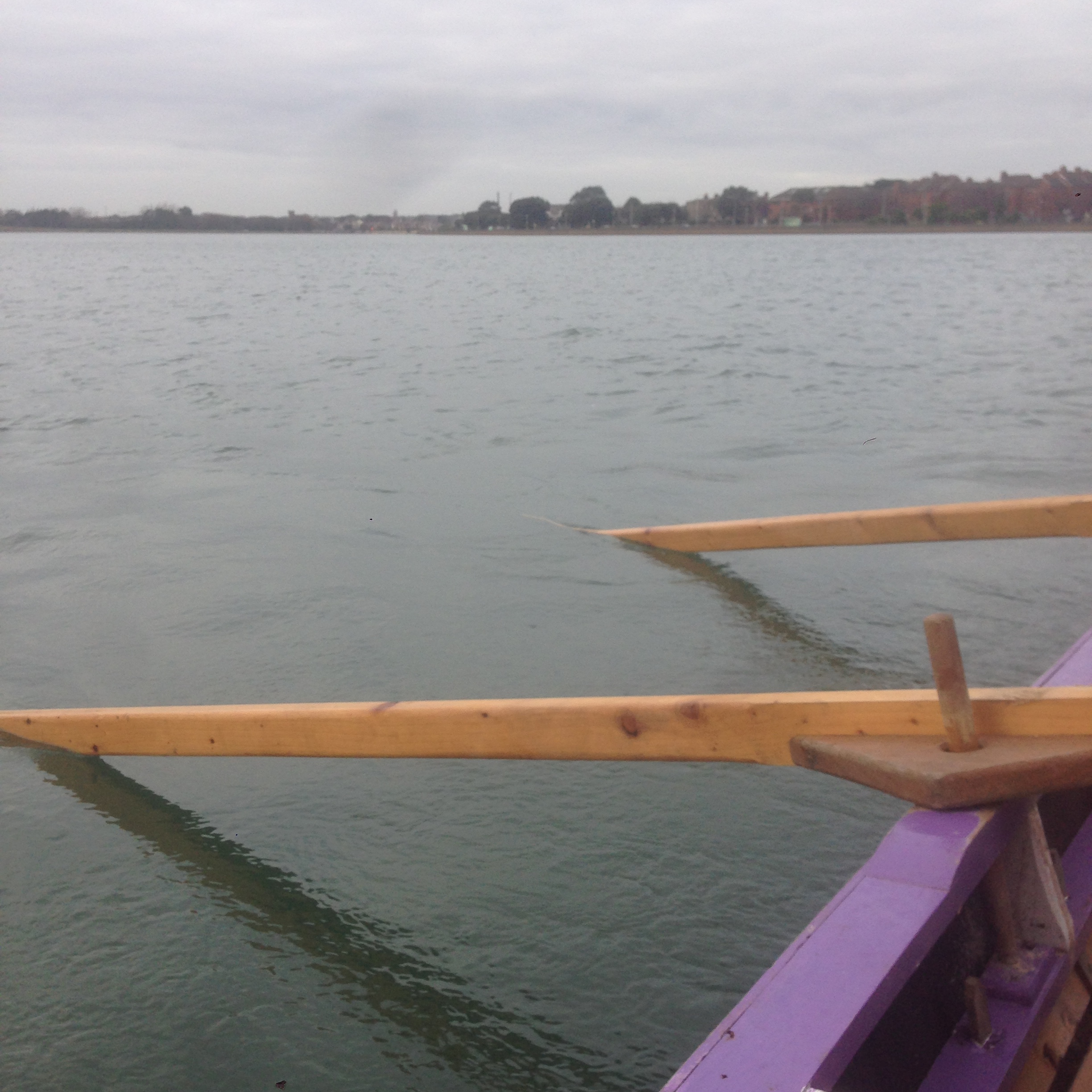
One Friday I made sure to get out on the sea with the Cumann Curach. Some rowers do this for exercise, I do it for the rhythm and the company. I remember Liz of the Cumann telling me about ‘communicating through the oars’. Once you get a good pattern with your colleagues going, it certainly feels this way. The same goes for most aspects of camaraderie and companionship; when you are all working towards the same goal often words are superfluous, and all that is needed is silent endeavor.

img_7810

Talking oars in Dublin Bay


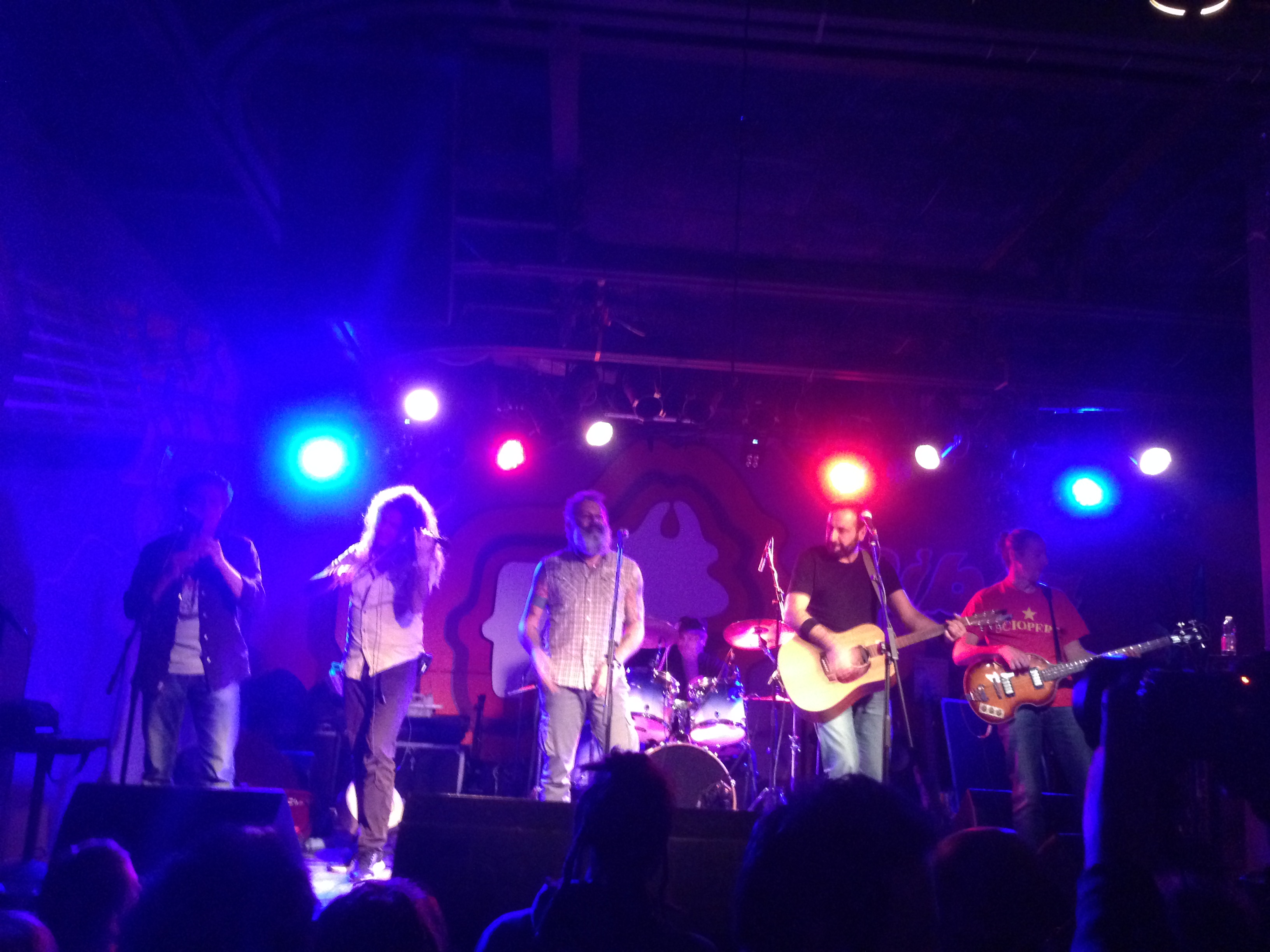
The day after my return to Italy, I determined to travel to Modena to see one of my favourite bands play in their own hometown: the Modena City Ramblers. A red flag waving, Italian folk band with music inspired by Irish trad; they are a band that are very close to my heart, and they were the perfect welcome back to my new home. Seeing Modena City Ramblers play ‘In Un Giorno di Pioggia‘ (‘On A Rainy Day’), a song about leaving Dublin in the rain, was an emotional personal reintroduction to Italy following the Christmas break. It reminded me that so much of home stays with me everywhere I go, and that often Ireland is waiting for me right here on my doorstep.

When I boarded the plane at Dublin airport these words came to me from that very song:

“Addio, addio e un bicchiere levato al cielo d’Irlanda e alle nuvole gonfie.

Un nodo alla gola ed un ultimo sguardo alla vecchia Anna Liffey e alle strade del porto.”

[Translation]

“Adieu, Adieu and a raised glass, to Ireland’s sky and to her swollen clouds.

With a lump in the throat I give one last look at old Anna Liffey and the streets of her harbour”


It’s not an addio Irlanda, it’s more of an arrivederci!

img_7960

Modena City Ramblers on stage

November Cold, Tuscan Warmth

mercatino-di-santa-lucia-repubblica

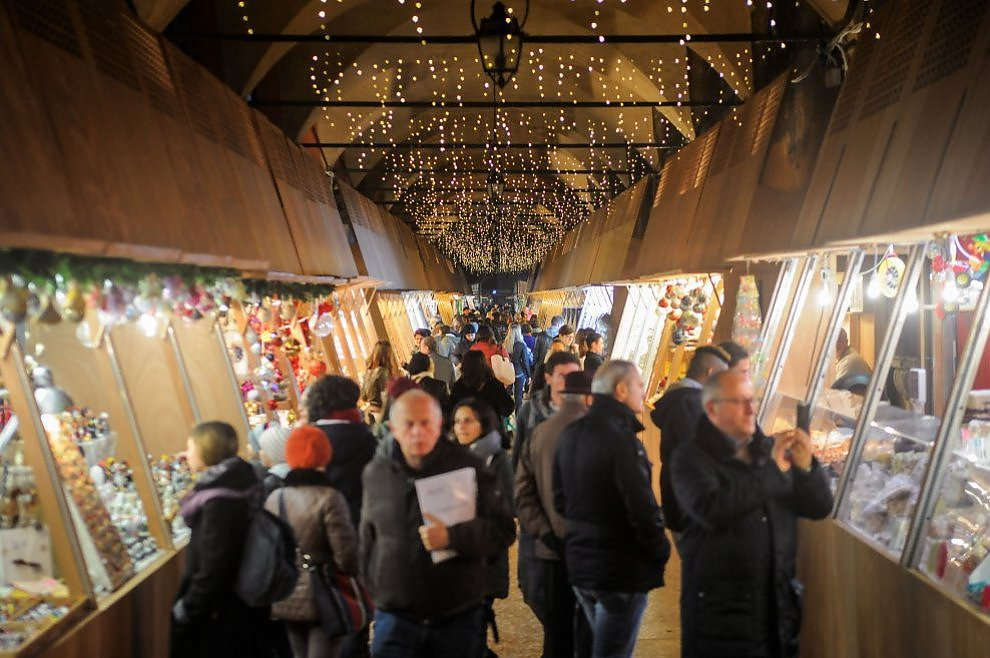
Il Mercatino di Santa Lucia, dangerously placed right outside my Faculty at the University (photo: La Repubblica)

Winter has arrived in Bologna, not with a bang but a whimper.

As I am accustomed to at home, the nights come quickly and early, and the cold crept so slowly into my bones day after day until one day I found myself walking to class in a shirt and jeans before I realised I was freezing to death.

The Italians however don’t have this problem. Like birds flying south or hibernating bears, the Italian instinct is to prepare for winter long before it even arrives. It seemed in early October, everyone in the country joins together in the annual tradition of putting away the summer wardrobe, and replaces it with nothing but matching bomber jackets and ridiculously large scarves. The average temperature may have swung between 15 and 21 degrees, but that didn’t stop the residents of Bologna wrapping up for a nuclear winter before the Autumn leaves had started falling.

But with the cold mornings and dark evenings come some of the most wonderful of winter traditions; Christmas lights and Christmas markets with fluffy gloves and sweet mulled wine, coffee with whipped cream to build that winter blubber, movie nights in with good friends, and hot whiskies with those soon to be.

Even though I will be spending Christmas at home, it’s hard to resist that Christmas spirit the first time you see the lights go up. Between the International students of the course from Germany, Austria, the UK, the USA, and every country in between, we talk of Christmas traditions and family customs and my mind always wanders to a crackling fire and cups of tea in Clontarf, like a cheesey ad for Dunnes or M&S in December.

Still despite the protestations of a select few about the cold, it hasn’t kept us from venturing out from our cosy lairs to explore the country. I had to return to Siena.

Driving down the autostrada from Bologna towards Tuscany, my English friend complained that the state of the roads was altogether Third World. In fact, we’d have had a more comfortable ride driving to Siena via Kinshasa. For me, roads are included on my long list of things in Italy that shouldn’t be left up to the Italians (along with pop music, administration, and bread). In fact the entire road system seemed like it had only been invented a fortnight before, and the country was currently upgrading the original network of Roman roads in order to catch up with the rest of Europe. In this respect I suppose it reminded me of home…

From the decaying road however stretches a still-flourishing winter countryside. On the Bologna side of the Apennines stretches a yawning plain and the agricultural engine of Italy, which meets the mountain range almost in surprise before you are swallowed whole by the autostrada’s burrowed tunnels. Shot out the other end, swerving past assorted obstacles of forgotten roadworks and unfinished bypasses along with the Italian drivers out for blood, the unmistakable Tuscany greets you with a familiarity that touches even those who have never been to Italy before. It’s November so you don’t quite get the rows of heavy vines nor or olive trees, but Firenze’s Duomo and Monteriggioni’s walls are always enough to make me wonder why I ever left Tuscany two years previously.

Siena.PNG

Siena looking just as good as she always does

Making a trip back to my old stomping ground in Siena I was surprised at how much it affected me to see the old town that hadn’t changed in 500 years, never mind in the two years since I left it. The Italian architecture aside, the feeling of seeing old homes and well-frequented bars in Siena reminded me of returning to my hometown in Ennis as I used to do so often, of arriving in a town that has little changed and meeting friends as if I’d never left in the first place.

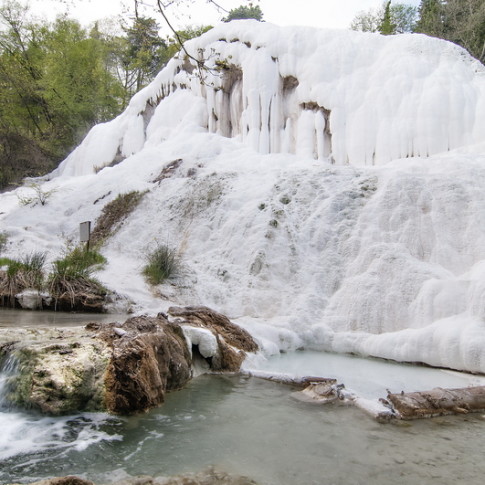
From Siena our rental Fiesta bravely struggled to take all five of us into the Val d’Orcia with its rolling hills and Cypress lined villas towards the thermal baths of Bagni San Filippo, a treasure we first found while on Erasmus over two years previously.

In the moonlight we clambered past the (decorative?) ‘Do not Climb’ signs onto the sulfurous and steaming waterfall which filled small pools of warm water just big enough for us all to fit. Sitting here in warm water beneath a clear sky, I pondered with a friend if maybe the Italian system was rigged on purpose to make the everyday life of bureaucracy and ‘organisation’ just difficult and confusing enough in order to ensure that the whole world didn’t move here at once.

sanfilippo-02-485x485

Bagni San Filippo by day

For now, while exams may be approaching on the near horizon, it’s difficult to let them distract you from enjoying the greater Bacchanalian things Italy has to offer. The key from here on in I imagine will be a great balancing act.

Getting into (and out of) the swing of things…

Bologna Orange

It often strikes me that for the nation of ‘La Dolce Vita’, the ‘bel far niente’ (the beauty of doing nothing) and other wonderful clichés, Italy has this strange way of making life about as difficult as possible for you, before tempting you back to her just as you are about to give in.

It’s Monday morning on Via Irnerio. You have a folder of forms, none of which lead anywhere of real use, but all of which must be filled out if you want anything done in some vague future. You have just found out that you should have supplied all of your details to the Office of General Bureaucratic Nonsense with four passport photos (no smiles, signed on the back), and a letter of motivation, all of 6 months ago, and that because you had failed to do this you are to be bastinadoed with another half a foot of paperwork from the Ministry for Wasted Time. Of course none of this was made clear in the first place, but neither your Italian friends nor the infuriatingly blasée Bolognese woman in the office seem to understand how insane it is to require a student to provide his tax code, proof of address, bank details and passport for a bus pass or some other useless document.

The queues are long, the office hours span arbitrary times of 9.00-11.15 on Mondays, Tuesdays and Fridays, 14:00-15:00 Wednesdays and Thursdays (but check the 1990s-style website as these change depending on how urgently you need to solve your particular crisis), and people tend not to extend any sort of understanding to you for being a foreigner with little knowledge of the Italian Tax Code or Napoleonic Law. Your clothes are now dripping with sweat and you have lost any semblance of the suave Italian gigolo you thought you were that morning as you stepped out under Bologna’s porticoes.

And then, just as your bag bursts from its own weight, along with your mind, Italy finds a way to tell you she was only joking. That she still loves you after all she has put you through. You sit down at the nondescript bar with the waitress you noticed when you had your first coffee there weeks ago, you catch her eye and order an Aperol Spritz. You take a moment to catch your breath and take a deep sip, coupled with a sigh. The sounds of tiny espresso cups on tiny saucers, of prosecco bottles celebrating nothing but midday, of the Piazza and its lovers and stoners, return to you in a rush of pure calm.

It’s the sound of the Italy you first took in the moment you arrived in this town of brick and brioche. It’s the sound of the Italy you signed up for. It’s the sound of the Italy that never changes, and can be enjoyed day after day no matter what she tries to put it your way.