Our Arabic teacher, when asked how his day was, replied; ‘Terrible. Yesterday, they shot children.’
On returning from a month in Palestine, summer 2022.
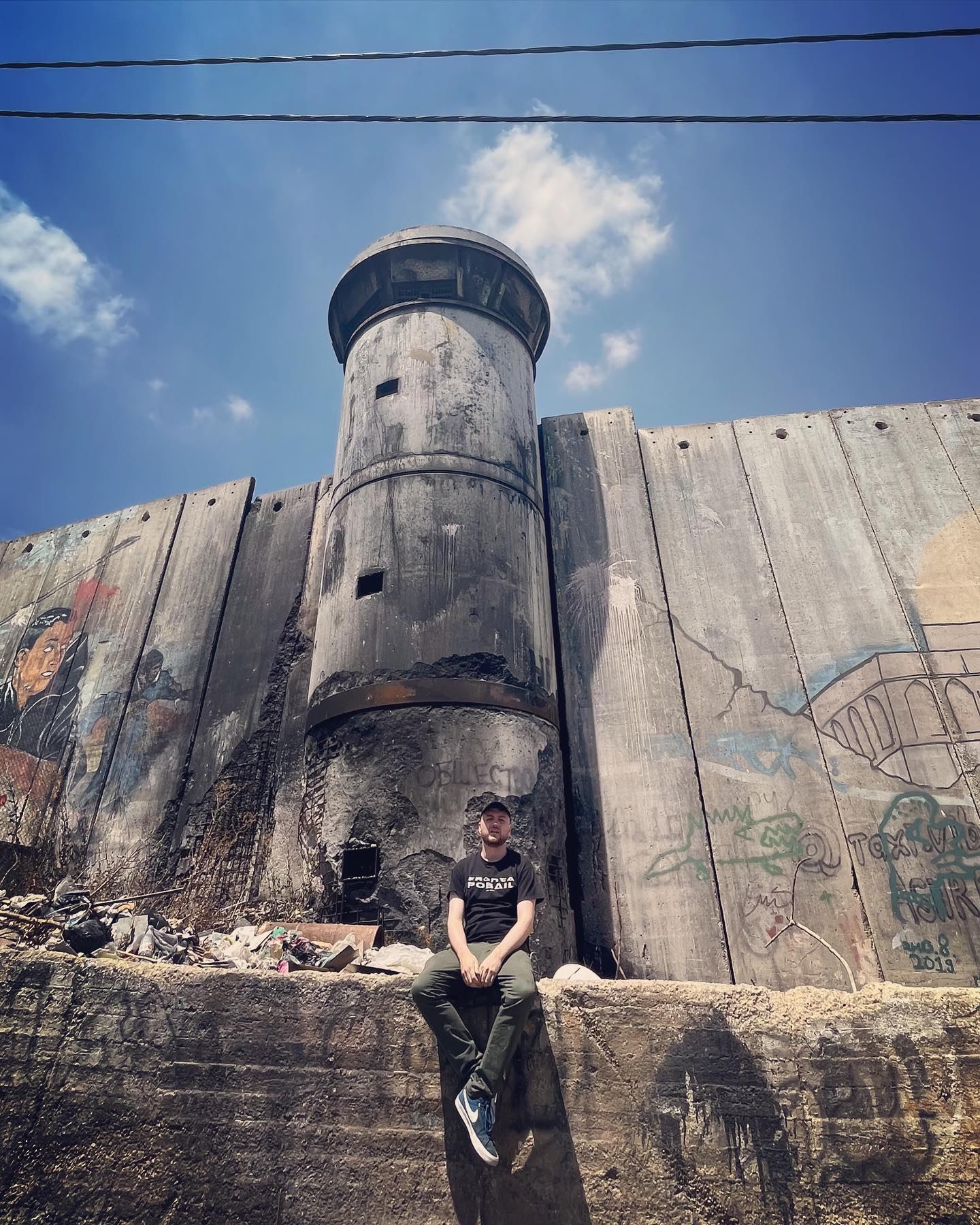
Many of the foreigners you meet on your travels in the West Bank will share the same experience they had when planning their journey through the Holy Land. Their parents and friends acted surprised when they brought it up, most of them having seen something in the news lately about violence. In most European countries the Palestinians are shown as terrorists, while Israeli soldiers share the same imagery and uniforms as European and American armies. Words like ‘attacks’ accompany reports where Palestinian death tolls outnumber Israelis by ten to one. Words like ‘apartheid’ are almost never heard. Very few foreigners will have witnessed an attack. But after a short trip, every single visitor will have witnessed apartheid.
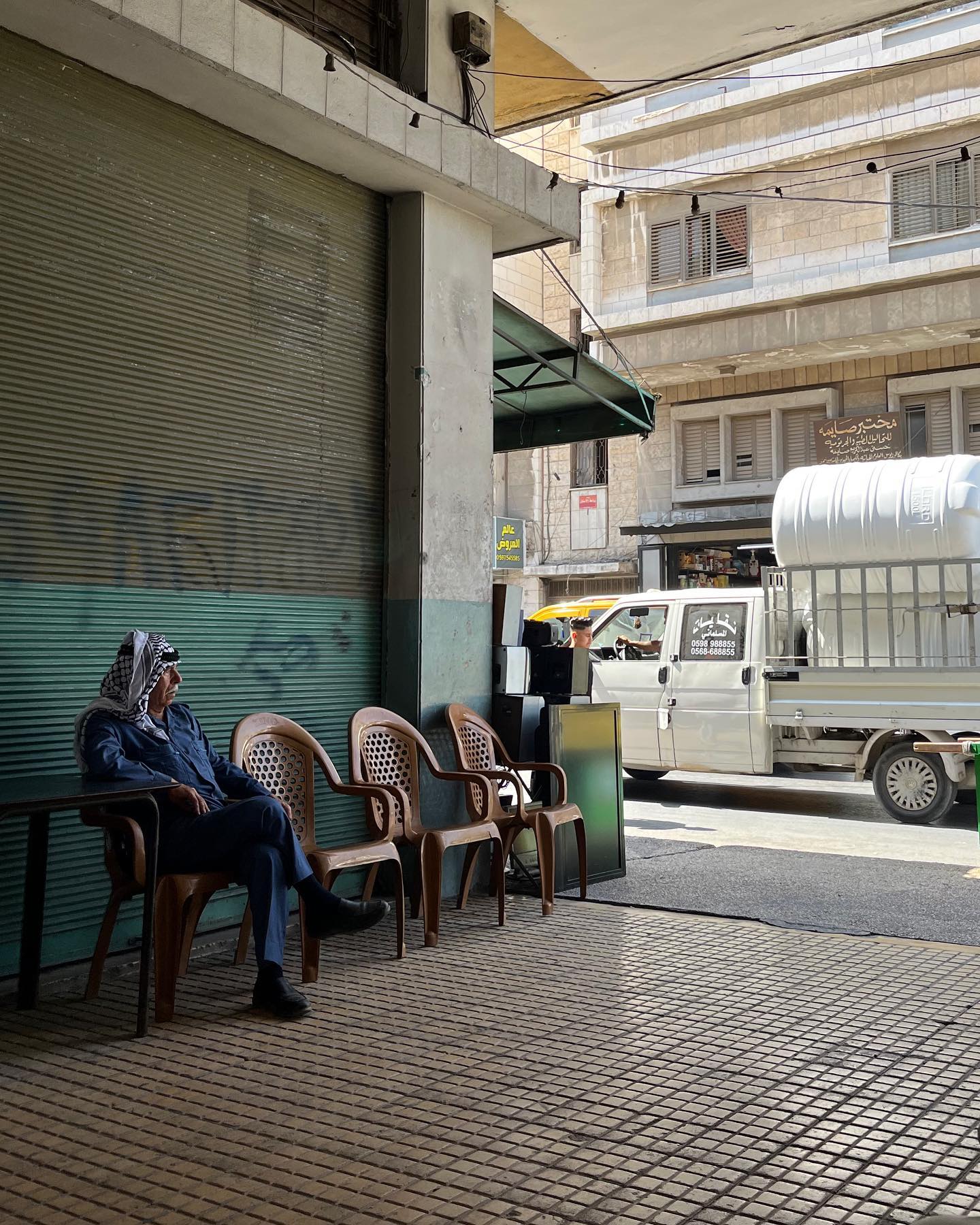
The truth is that when in Palestine, you spend most of the time drinking strong coffee, smoking sweet shisha and eating honey-soaked knafeh with bright, optimistic and often tired people.
It is such a beautiful place to live and visit, I felt guilty for thinking and talking about nothing but the occupation. Yet its presence was there like the passing shadow of day. More reliable than a clock.
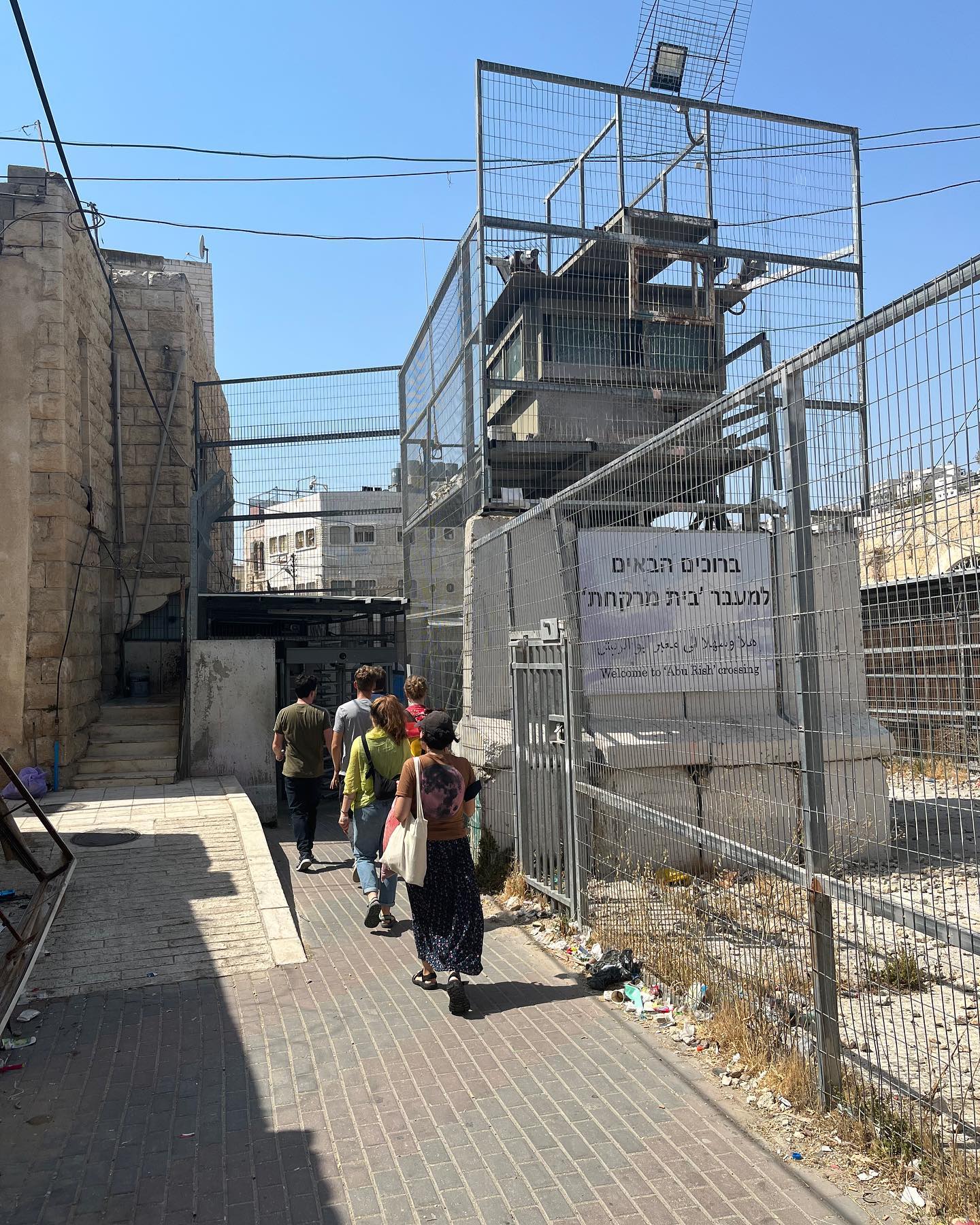
As a tourist you get just a taste of the thousand everyday indignations of life in the West Bank. Locked turnstiles to the mosque, roads cut off, flagpoles that reach out and claim old soil from those who work it.
In the streets of Hebron, a city divided by the Israeli authorities into areas where Palestinians can and cannot walk, we were unlucky. Turning a corner in the old city we chanced upon an Israeli military raid on a residential area. The Israeli commandos in full night gear and armed to the teeth seemed as surprised to see us as we were to see them. They trained their weapons on us and yelled at us in Hebrew with our hands raised. In a surreal moment, a Palestinian man walked beside us with a bag of shopping. “It’s ok!” he said to us as he carried on seemingly oblivious (or well used to) the team of Israeli soldiers which had stopped us in our tracks. Within seconds, the soldiers disappeared, their mission either accomplished or interrupted by these ignorant tourists.
Around the corner, American-manufactured tear gas was unleashed on children with slingshots. Israeli settlers, armed with US-manufactured weapons but without uniforms, watched the proceedings like a football match. There was no mistaking who they were cheering on.
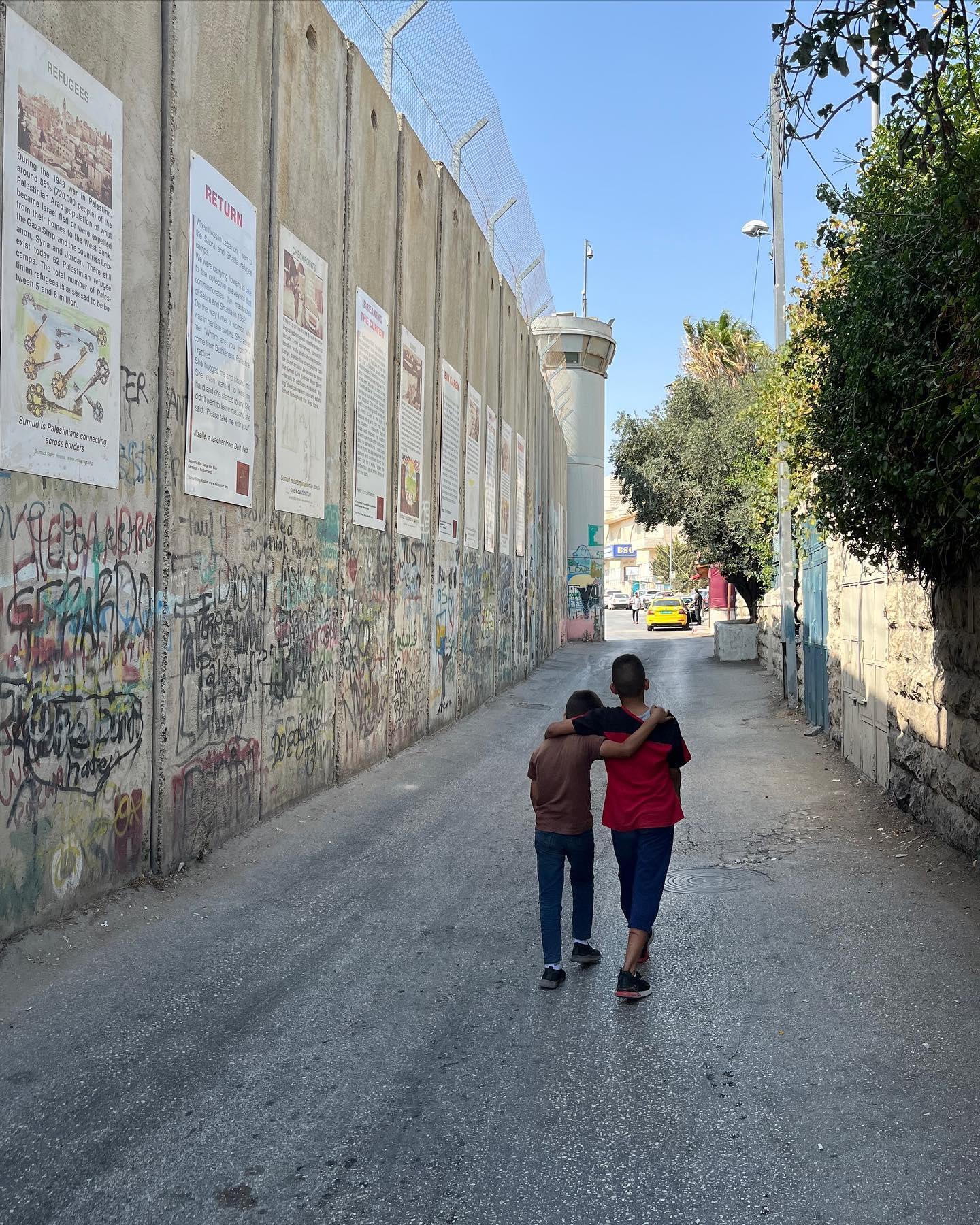
Unlike in Europe, people I met in Palestine tended not to talk of Two State Solutions or international agreements unless forced to. Their demand was often more modest: Justice, just enough to get through the day.
Our Arabic teacher, when asked how his day was going, replied ‘terrible.’
‘They have not left us enough to build our State. Yesterday, they shot children.’
How many of his days had been ruined like this?
 The Border Reiver